
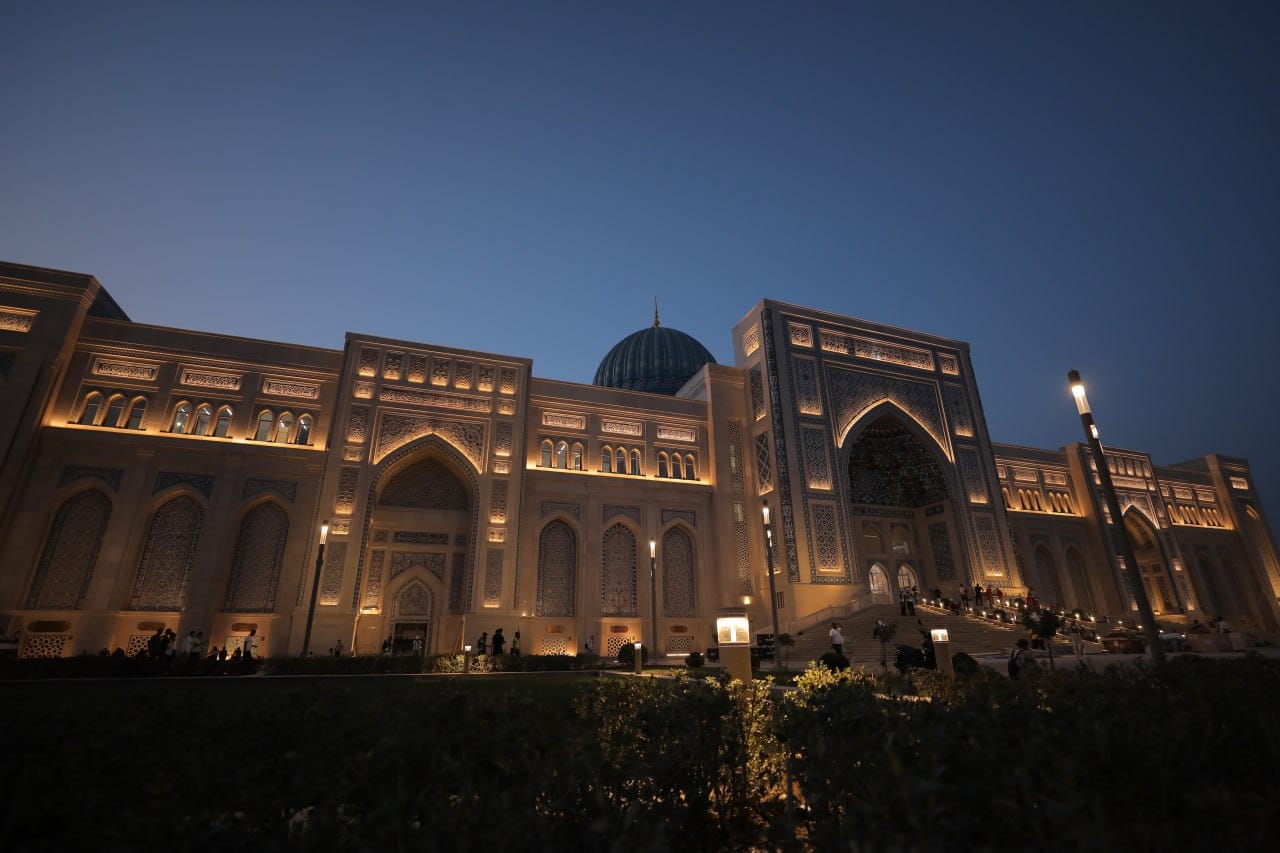
The Center, read from Riyadh, Muscat, Abu Dhabi and Brussels
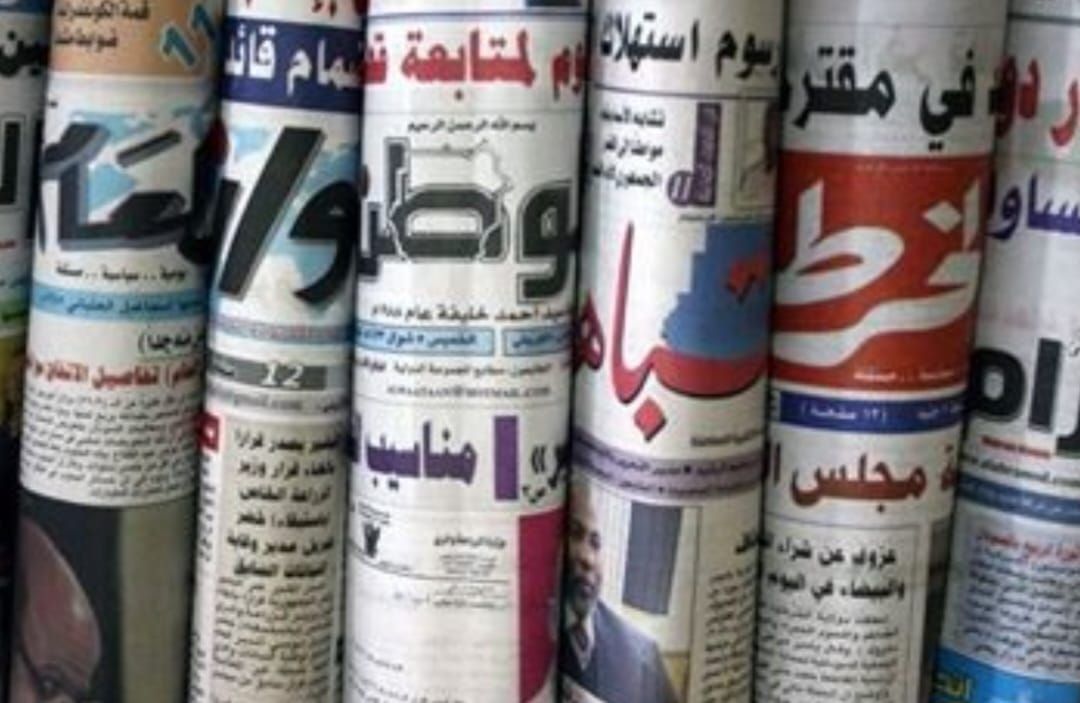
Saudi, Omani, Emirati and European press have all covered the Center this summer. None of them wrote the same story.
A press roundup usually exists to prove that people are talking about you. This one is more useful than that. Read together, four pieces of recent coverage from four different countries don't repeat the same praise back at each other - they each reach for a different reason the Center matters, which says more about how the Center is actually being understood abroad than any single glowing write-up could.
Saudi Arabia: a civilisational project, not an academic meeting
Saudi coverage of the July Forum, running in Al-Watan and picked up by the Saudi wire service UNA, framed the event as considerably more than a conference. Al-Watan's analysis treated the Forum as a large-scale historical project aimed at reviving Islamic culture and named Uzbekistan as one of the most significant historical cradles of the Islamic world. UNA's coverage leaned specifically into the country's religious and educational reforms, and both outlets gave weight to the Samarkand Declaration issued at the Forum's close as a marker for future work in Hadith studies and Islamic heritage.
Oman: a governance story wearing heritage clothing
Oman Daily took a noticeably different angle, reading the Center and the Forum less as cultural news and more as evidence of a reform trajectory - coverage centerd on what the country's modernisation experience might offer as a model, with heritage as the entry point into a story that was really about institutional change.
The UAE: validation, delivered by UNESCO
Khaleej Times ran the most developed feature of the four and did the one thing the other coverage didn't: it let a senior international official make the case directly. Visiting the Center in November, UNESCO's director-general, Khaled El-Anany, was quoted describing the Center as embodying “a true testament to cultural diversity, tolerance, openness.” That's a notably different kind of credibility from a newspaper's own editorial judgement - it's the Center's mission stated back by the institution best placed to assess whether it's succeeding.
Europe: a diplomatic venue with its own paper trail
Euronews's coverage moved furthest from the exhibition halls, framing the Center primarily as an active diplomatic venue rather than a cultural attraction - citing its role hosting the July Forum, which drew several hundred scholars, and noting academic offices linked to UNESCO and the Oxford Center for Islamic Studies, one of more than a hundred international institutions the Center has partnered with since 2017.
The same coverage pointed to a substantial story in its own right: the return, in April 2026, of nine Kushan and Sogdian-era artefacts recovered by London's Metropolitan Police. The objects - sculpted heads dating from the second to fifth centuries and fragments of wall paintings from the seventh and eighth, linked to the ancient sites of Karatepa, Fayoztepa and Dalverzintepa - had been seized in November 2025 under a police investigation named Operation Inherent Vice. At the handover event in London, Detective Sophie Hayes of the Met's Art and Antiques Unit described the find as a gift not just to Uzbekistan but to the world; the Center's director, Firdavs Abdukhalikov, called the return evidence of broad international support for President Mirziyoyev's restitution policy. The objects now sit in the Center's own collection.
What the pattern actually shows
Put side by side, the coverage isn't four versions of the same compliment. Saudi press reads the Center through the lens of religious and civilisational revival. Omani press reads it as a governance case study. Emirati press reaches for UNESCO's authority to validate it. European press reads it as soft-power infrastructure with a genuine restitution story behind it. That range is a better credibility signal than any one of the four articles alone - it suggests the Center is being understood on its own terms by each audience, rather than simply amplified by outlets repeating the same press release.
Comments ()