What had to happen before October
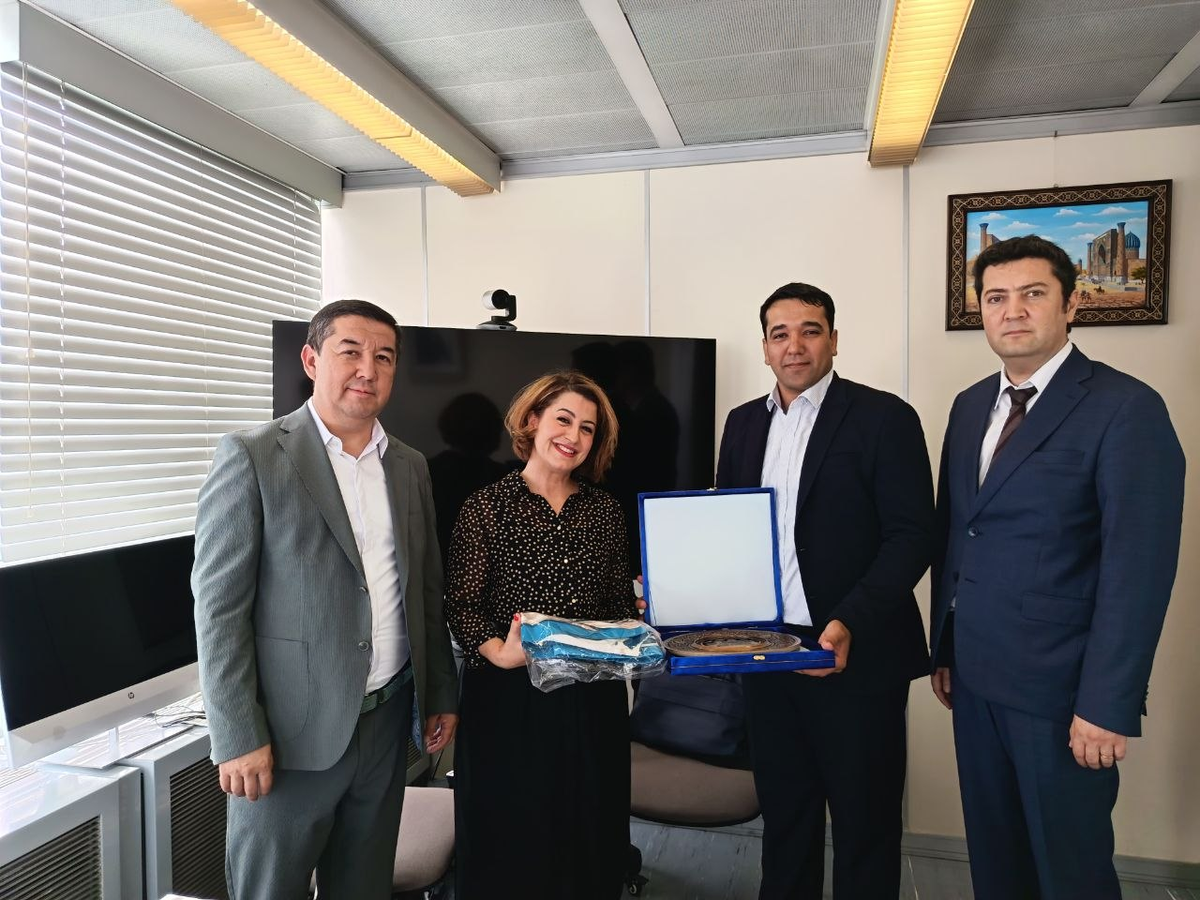
Before Uzbekistan brings an exhibition to UNESCO Headquarters, its delegation needed four different gatekeepers to say yes. In Paris this summer, they did.
An international conference and exhibition at UNESCO Headquarters is not something a country simply books. It has to be proposed, vetted, and backed by the institutions that share the building — which is why the real news from Uzbekistan's working meetings in Paris this summer isn't that a delegation travelled. It's who agreed to stand behind what they brought.
The concept on the table: a conference and exhibition this October built around Uzbekistan's role in the history of Islamic civilisation, timed to bring UNESCO member states, scholars and international organisations into the same rooms the Centre has spent the past year building relationships with.
The four yeses
UNESCO's Executive Office, through its head Mariagrazia Squicciarini, welcomed the initiative as one that strengthens dialogue among nations, and pointed to it as recognition of Uzbekistan's efforts to study and promote its own scholarly legacy. UNESCO's Silk Roads Programme went further than welcome, with its head Mehrdad Shabahang offering the programme's own research materials to support preparation — the kind of practical commitment that outlasts a courtesy meeting.
The Organisation of Islamic Cooperation's representative to UNESCO, Salima Delibey, praised Uzbekistan's programme of religious-enlightenment reforms and confirmed the OIC's readiness to support the events directly. ICESCO's permanent observer to UNESCO, Soumia Jakta, underlined the international significance of Uzbekistan's scientific and cultural heritage and reaffirmed her organisation's backing.
Four institutions, four separate mandates, one shared answer. That's a harder thing to arrange than a single delegation visit, and it's the detail that tells a reader this October date is not aspirational — it has already cleared the people who could have said no.
P.S. What's actually going to Paris
The Centre's pitch draws on ground already tested this year: the story of Central Asia as a corridor for the transmission of knowledge between East and West, the scholarly legacies of Imam Bukhari, Imam Maturidi and Imam Termizi, and the same exhibition language — chronological, multimedia-led, object-anchored — that visitors to Tashkent have been walking through since the Centre opened. Paris will be the first time that material is presented to the institutions that set the global agenda for cultural diplomacy, rather than to visiting diplomats one delegation at a time.
Comments ()